Supporting communities in Sri Lanka after Cyclone Ditwah
25 May 2026
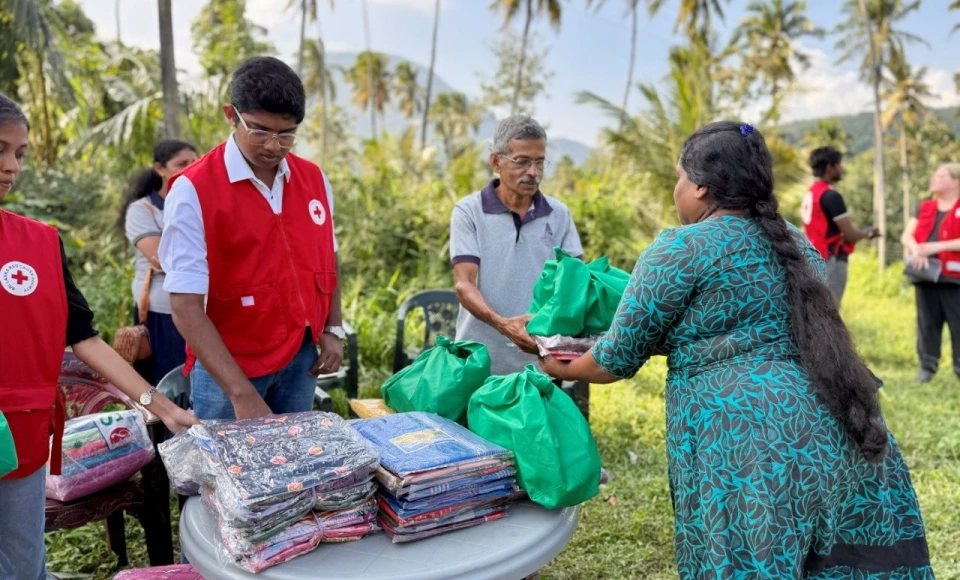
When Cyclone Ditwah battered Sri Lanka in late November 2025, it unleashed chaos - more than 3,000 landslides and rapid floods swamped 20 out of 25 districts, from tea-covered highlands to lowland rivers.
More than 640 people died, 1.7 million people were impacted, and 115,000 homes were damaged or destroyed. Homes slid into ravines, roads vanished under mud, and families fled to evacuation centres.
Seasoned New Zealand Red Cross international delegate Dallas Roy was swiftly deployed for three months as the International Federation of Red Cross and Red Crescent Societies (IFRC) operations manager, supporting Sri Lanka Red Cross Society leadership through the crisis.
“This was huge as it was affecting nearly the whole country,” Dallas reflects.
“Rivers burst banks in hours, not days, with the central highlands hit the hardest by landslides big and small.”
From his base at Sri Lanka Red Cross Society headquarters in Colombo, Dallas visited affected areas.
“Many families evacuated from heavily affected and high-risk areas that they couldn’t return to, and access was extremely difficult early on,” he recalls.
“Roads in highland districts were blocked by massive slips, while rapid flooding in the lowlands destroyed infrastructure.”
Each day, Sri Lanka Red Cross Society mobilised more than 400 people to distribute relief packs including vital items such as blankets, hygiene kits, kaftans, and sarongs; run first-aid stations; help the Ministry of Health run medical clinics; clean contaminated wells; and lead community clean-ups.
These activities fuelled Dallas's work, linking Sri Lanka Red Cross Society leaders with a seven-person IFRC surge team - specialists flown in to support assessments, information management, monitoring and reporting, and cash programmes. As the vital conduit, he helped tackle key challenges, liaised with funders, and pushed priorities like faster aid delivery.
One standout achievement Dallas’s team facilitated was a rapid assessment of immediate needs - a three-day push just before Christmas covering 20 districts. Four hundred Sri Lanka Red Cross Society (SLRCS) people in the hardest-hit areas used a digital survey tool to assess 1,355 households that had been identified by local officials and prioritised by SLRCS criteria such as older singles, families with newborns, one‑parent households, and people with disabilities.
Structured questions about damage, loss, and needs built real-time dashboards that cross-checked with government and United Nations (UN) data to reveal support gaps.
“That significant ability to mobilise and get so much information became the basis of how Sri Lanka Red Cross Society identified ongoing needs into early recovery,” Dallas explains.
It led to a briefing in Colombo with ambassadors, UN agency representatives, and government officials where Dallas and others presented live dashboards demonstrating their first major household assessment. As a result, the initial appeal exceeded expectations within three weeks, enabling the target to be increased.
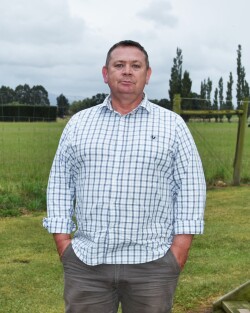
International delegate Dallas Roy
Building on that funding success, Dallas helped drive the switch from paper to digital cash grant forms. More than 10,000 families were given grants of about NZ$140 to buy essentials or restart their livelihoods. Digitising meant faster approvals and greater transparency.
This was Dallas's second Sri Lanka deployment; his 2017 stint followed floods that killed more than 200 people and displaced hundreds of thousands - far smaller in scale than Cyclone Ditwah's nationwide devastation.
Despite challenges such as blocked access, limited funds, and long days, the support given built lasting Sri Lanka Red Cross Society skills, Dallas says.
“Improving capacity while implementing was a big win, and leaves Sri Lanka Red Cross Society stronger for future crises.”
With gratitude, Dallas credits donors for making it all possible: “The support from New Zealand Red Cross donors enables deployments like this that help people and nations stand back up. I'm grateful to deploy and play my part.”
But there's little downtime ahead. After a brief holiday, Dallas was back in the Pacific on a preparedness mission, then in South Korea for training, and is now in Fiji supporting multiple responses in the area.
“I keep going because you see the real difference it makes helping people in their time of need – families and villages rebuilding, national societies stepping up. That's what drives me,” he says.
How you can help
You can help deliver urgent shelter, clean water, medical care, and hope to families who’ve lost everything – and support New Zealand delegates, like Dallas, responding to emergencies worldwide.
Donate to our Global Disaster Fund
International delegates
Our international delegates are skilled Kiwi who work overseas to save lives, alleviate suffering, and maintain human dignity on the front line. Learn more about our international delegates.
International Delegate Programme
More information
In times of disasters, conflict, and other emergencies, we respond to the needs of vulnerable people around the world. Read more.
What we do overseas
Lead image: Many families had to evacuate when Cyclone Ditwah battered Sri Lanka in November 2025.