
Finding strength and support in a new home
15 January 2026
When Otie arrived in Aotearoa New Zealand in November 2000, he woke to a quiet morning and realised how far he had come. The sounds were different, the air was colder, and the sky felt wide and open. “I didn’t know where I was,” he recalled with a smile. “But I knew I was safe.”
Otie’s journey to Aotearoa began years earlier, when his mother made the brave decision to move their family from South Sudan to Kenya to escape conflict. Life in the refugee camp was difficult, marked by limited resources and constant uncertainty. But his mother’s determination carried them through. “She was the one who gave us strength,” Otie said. “Even when things were hard, she always found a way to keep moving forward.”
From arrival to belonging
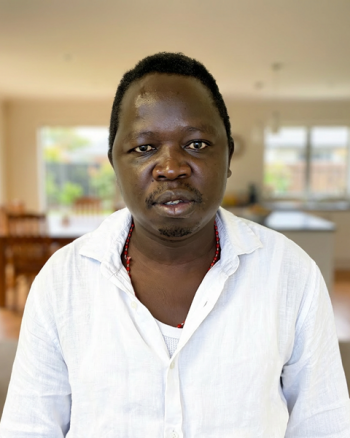
Otie
When Otie and his family arrived in Lower Hutt, everything felt unfamiliar. As a young teenager, he was adjusting to a new country, culture and way of life. The language was different, the food tasted strange, and the cold weather was unlike anything he had known before.
“I didn’t speak English, so I couldn’t understand what people were saying,” he said. “Even small things felt confusing. But slowly I learned, and people started helping me.”
School became an important part of his new life. At St. Bernard’s College, Otie met classmates from many different cultures and began to grow in confidence. He joined sports and community activities, forming friendships and connection through shared experiences. “We didn’t always understand each other’s words,” he said, “but we understood kindness.”
Finding support to heal
As Otie grew older, he worked hard to support his family and build a stable life. But painful memories from his past still followed him. There were moments when he felt unsafe or anxious, even in his new home. “I was trying to do everything on my own,” he said. “There were times when I didn’t know who to talk to or how to ask for help.”
That changed when he connected with our Refugee Trauma Recovery (RTR) team. Through counselling and regular support, Otie began to understand how his past experiences had affected him and learned ways to manage his emotions.
“They helped me talk about my story,” he said. “Before, I kept everything inside because I didn’t want to get hurt again. Now I can talk, and it helps me feel lighter.”
RTR also provided him with practical support, helping him connect him with community services, arranging appointments, and making sure he didn’t feel alone.
“The Refugee Trauma Recovery team never gave up on me. They listened, they gave me time, and they helped me feel valued again.”
-Otie, Client, Refugee Trauma Recovery
Moving forward with strength and hope
Today, Otie lives in Wellington and continues to rebuild his life with determination. He hopes to reunite with his partner, who is currently in Uganda, and dreams of creating a stable future for his children. “My goal is to help others, the same way I was helped,” he said. “If I can support even one person to feel less alone, that means a lot.”
He continues to give back in small but meaningful ways. He supports children in South Sudan by contributing to their school fees whenever he can. “I know what it feels like to have nothing,” he said. “So when I can give something, I do.”
When asked what advice he would give to others who are struggling, his message is simple: “Don’t stay silent. Speak up, ask for help, and don’t give up. There are people here who will listen and support you.”
Otie believes that reuniting separated families can help overcome emotional barriers and improve mental wellbeing for former refugees. Otie’s family has also left their relatives behind in South Sudan, Uganda and neighbouring countries. “I think, being with family not only helps former refugees emotionally but also helps to keep their culture and language alive”, Otie said.
Otie has turned challenges into strengths and continues to move forward. His journey reminds us that healing takes time, but with compassion, support and a sense of community, new beginnings are always possible.
More information
Our specialist refugee mental health service offers culturally safe mental health care to help refugees, former refugees and their whānau (families) address experiences of trauma, whether experienced before or after arriving in Aotearoa New Zealand.
Specialist refugee mental health services
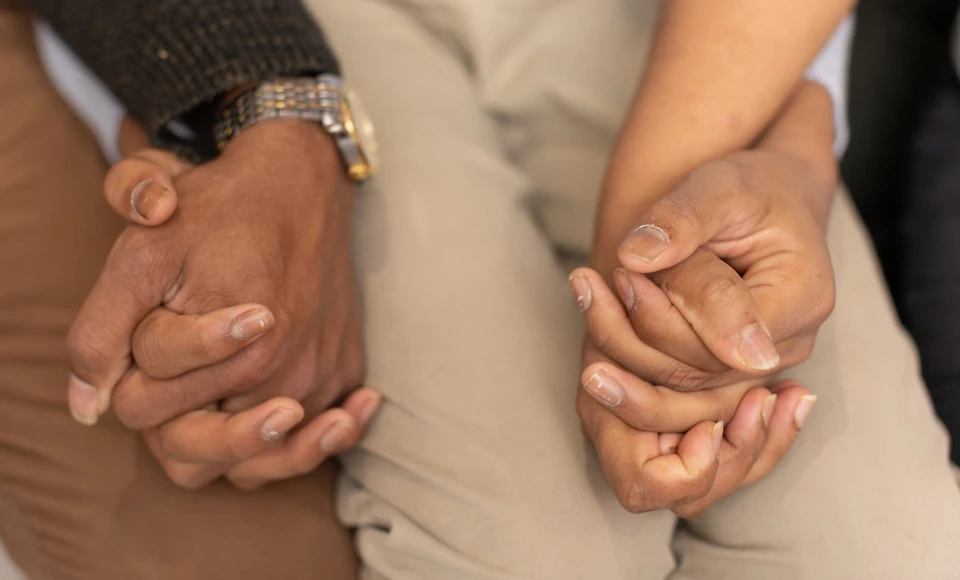
Header image: an image of hands joined in a gesture of care and connection. Photographer: Paul Petch.